NDC Codes, Lot Numbers, and That Weird 'Discard After' Line: Reading Your Pill Bottle Like a Pro
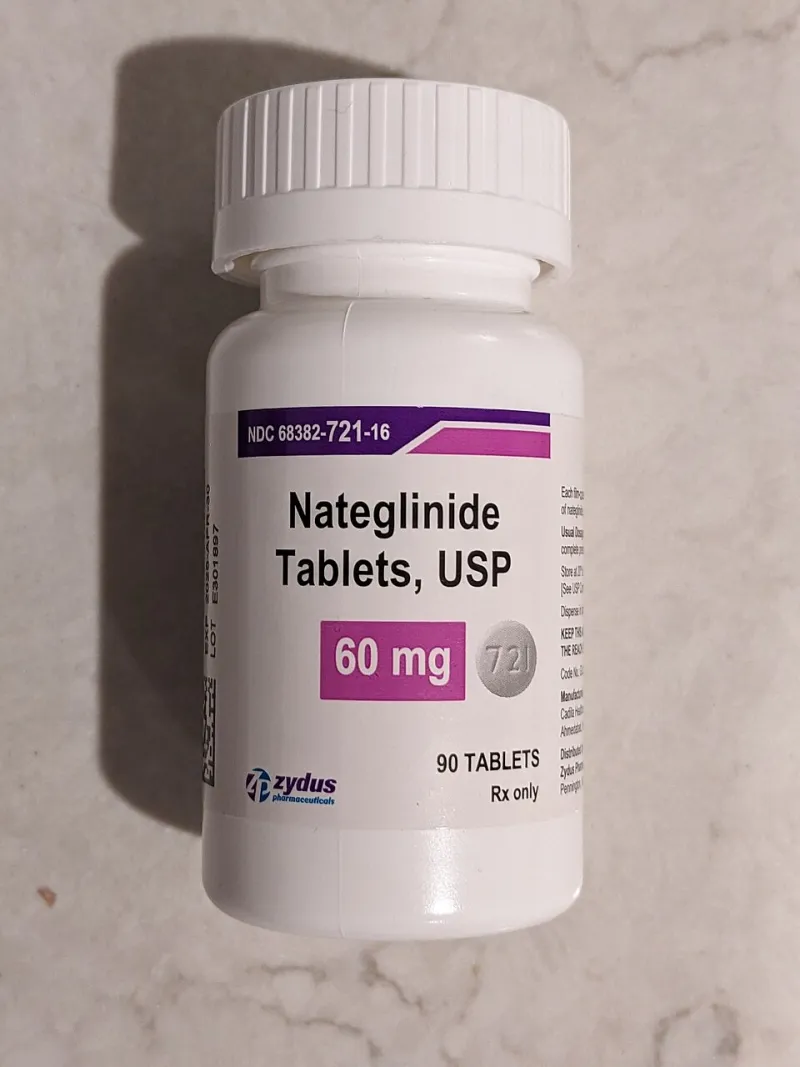
Photo: Grendelkhan, CC BY-SA 4.0, via Wikimedia Commons
Flip over your medicine cabinet and take a look at one of those amber bottles. Chances are you've never read more than the drug name and the directions. Fair enough — but that little label is basically a birth certificate, a shipping manifest, and a safety inspection report all rolled into one. Once you know how to read it, you can spot a problem before it becomes one. And if you're ordering medications online, where you can't ask a pharmacist face-to-face, these skills matter even more.
The NDC Code: Your Pill's Fingerprint
Start with the string of numbers that looks like 12345-678-90. That's the National Drug Code, and every legal medication sold in the US has one. It's three parts: the manufacturer, the specific product and strength, and the package size.
Want a quick authenticity check? Punch that NDC into the FDA's public NDC directory. If the code doesn't match a real product — or matches a product that looks nothing like what's in your bottle — that's a five-alarm problem. Counterfeiters often botch NDC codes because they're guessing. Legit manufacturers never are.
Lot Numbers and Expiry Dates: The Freshness Duo
The lot number (sometimes labeled "LOT") identifies the exact batch your pills came from. It matters for two reasons:
- Recalls. If a batch gets recalled, the announcement lists specific lot numbers. Match yours against the FDA's recall database — takes 30 seconds.
- Traceability. Two bottles of the same drug can come from different factories with different quality controls. The lot number tells you which one you got.
Next to the lot you'll find the expiration date, usually formatted as month/year. Here's the part most people get wrong: an expiration of 03/2026 means the drug is good through the end of March 2026, not the first. And research from the FDA's own shelf-life extension program has shown many drugs stay stable well past their printed dates — though antibiotics, insulin, nitroglycerin, and EpiPens are notable exceptions that genuinely lose potency.
Decoding the Fine Print
A few lines that deserve more attention than they get:
- "Store at 20–25°C (68–77°F)" — that's room temperature, not your steamy bathroom or a hot glovebox. Humidity and heat degrade meds faster than time does.
- "Discard after ______" — this is different from the expiration date. Reconstituted antibiotics and some eye drops only last weeks once opened or mixed.
- "Protect from light" — a real instruction, not a suggestion. That's why some pills come in foil blisters instead of bottles.
Red Flags That Something's Off
Whether your bottle came from a corner pharmacy or your mailbox, watch for:
- Misspelled drug names or inconsistent fonts on the label
- Pills that are chipped, discolored, oddly sticky, or smell strange
- No NDC code at all, or one that doesn't verify
- Packaging that looks resealed, with glue smears or mismatched labels
- A price so low it feels like a typo — steep discounts are the number-one lure counterfeit operations use
If anything feels wrong, don't take it. Verify the NDC, compare the pill against photos on a site like Drugs.com's pill identifier, and when in doubt, ask a pharmacist — most will happily eyeball a bottle for free.
Knowledge Is the Cheapest Medicine
You don't need a pharmacy degree to protect yourself — just ten minutes of label literacy. Read the NDC, note the lot, respect the storage instructions, and trust your instincts when something looks off. Your pills have been talking to you all along. It's about time you listened.
