Snowed In, Out of Refills: Building a Legal 72-Hour Med Buffer Before Winter Bites
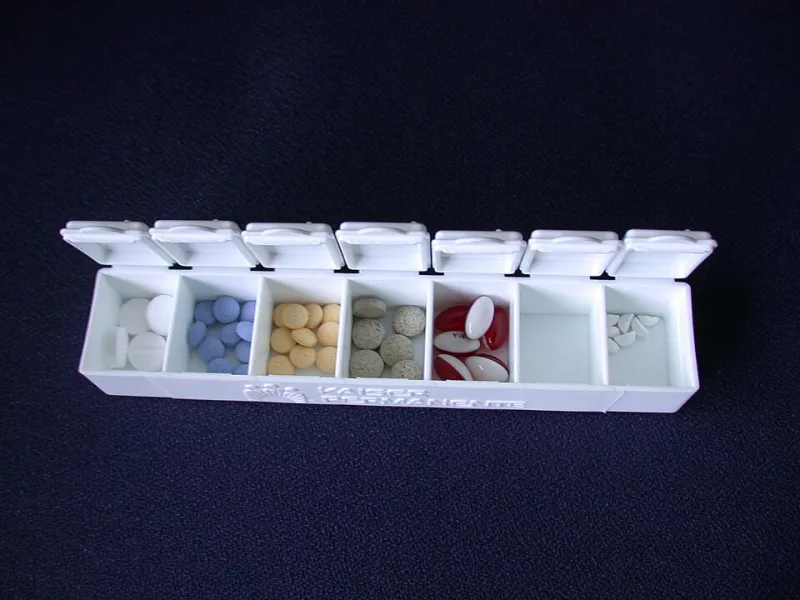
Photo: Dvortygirl, CC BY-SA 3.0, via Wikimedia Commons
Every winter, the same thing happens. A storm rolls in, roads close, deliveries stall, and suddenly thousands of Americans are staring at an empty pill bottle wondering what happens when the blood pressure meds run out on day two of a four-day lock-in.
Pharmacists see this coming every year. That's why many of them quietly keep a personal cushion of their own prescriptions — not because they're hoarding, but because they understand something most patients don't: a 72-hour buffer is cheap insurance against weather, shipping snags, and pharmacy chaos.
The good news? You can build one too, and it's completely legal. Here's how.
Why Three Days Is the Magic Number
Emergency preparedness folks have long recommended a three-day supply of essentials, and medications are no exception. Three days covers most snowstorms, power outages, and the majority of mail-order shipping delays. It's short enough that most medications won't meaningfully degrade sitting in a go-bag, and long enough to bridge you until roads reopen or a replacement shipment lands.
If you take maintenance meds — think thyroid medication, statins, blood pressure pills, diabetes medication, antidepressants — a three-day gap usually isn't dangerous on its own, but it's not something to gamble on either. Some drugs, like certain seizure medications and beta blockers, can cause real problems when stopped abruptly. That's exactly why the buffer matters.
The Legal Ways to Get Extra Refills
Here's where people get nervous. "Can I actually get more than a 30-day supply?" In most cases, yes. A few legitimate routes:
Ask for a 90-day fill. This is the easiest win. Most insurers happily cover 90-day supplies of maintenance medications, often at a lower per-month cost. If you're still filling monthly at a corner pharmacy, you're leaving both savings and security on the table. A 90-day supply means a one-week delay barely registers.
Request an early refill when it's allowed. Many insurance plans permit refills a few days before you run out — typically around day 25 of a 30-day supply, or 7 days early. Rules vary by plan and by drug (controlled substances like ADHD medications and certain painkillers have strict limits), but for most maintenance meds, a slightly early refill every so often builds your cushion one bottle at a time.
Use a vacation override. Traveling? Plans usually allow a one-time override for an extra supply. You don't have to be leaving the country — a long road trip qualifies. Just call the number on your insurance card and say the word "vacation supply."
Ask your prescriber directly. Doctors understand storm seasons and shipping headaches. Some will write for a slightly larger quantity or add refills specifically so you can keep a backup on hand. It never hurts to ask, especially at your annual visit.
One thing that does not work: buying extra from sketchy overseas sites. Beyond the legal gray zone, you have no idea what's actually in those bottles. A backup supply you can't trust isn't a backup at all.
Storing Your Buffer the Right Way
A backup supply only helps if it's still good when you need it.
- Keep it cool and dry. Most medications do fine at room temperature, away from bathroom humidity. A bedroom drawer or hallway closet beats the medicine cabinet.
- Rotate it. When you get a fresh fill, move the oldest backup bottle into active use and stash the newest one. This way nothing sits long enough to expire.
- Label it clearly. Keep everything in its original labeled bottle. In an emergency, EMTs and urgent care docs will want to know exactly what you're taking.
- Watch the temperature. Insulin and some other biologics need refrigeration and don't travel well — for those, the strategy shifts to having a plan (a cooler, a pharmacy with power) rather than a stash.
What Goes in the 72-Hour Kit
Think of this as a small duffel or shoebox you can grab in ten seconds:
- A 3-day supply (or more) of every daily medication, in original bottles
- A written list of your medications, doses, and prescriber contacts — don't rely on your phone
- Backup glasses, hearing aid batteries, or inhalers if you use them
- Glucose tablets or fast sugar if you're diabetic
- A printed copy of your pharmacy's name, location, and phone number
- A small amount of cash — card systems go down exactly when you don't want them to
Check the box twice a year when you change the clocks. That's it. Five minutes, twice a year.
The Mail-Order Wrinkle
If you get meds delivered — and plenty of us do now — build in extra margin. Shipping carriers don't guarantee timelines during storms, and mail-order pharmacies sometimes run behind during flu season. Order refills when you're at the 10-to-14-day mark, not the 2-day mark. A delivery buffer plus a physical buffer means you'd need to get hit twice to run dry.
The Bottom Line
Nobody's asking you to build a bunker. Three days of your regular meds, rotated properly, stored sensibly, obtained through your insurance and your doctor — that's the whole play. It costs you almost nothing, it's fully above-board, and when the next ice storm knocks out the roads or your shipment gets stuck in Memphis, you'll be the calm one on the block.
Start with your next refill. Ask for 90 days instead of 30. That single phone call might be the entire emergency plan you need.