Down to Your Last Dose: A Same-Day Playbook for the Meds-Delayed Emergency

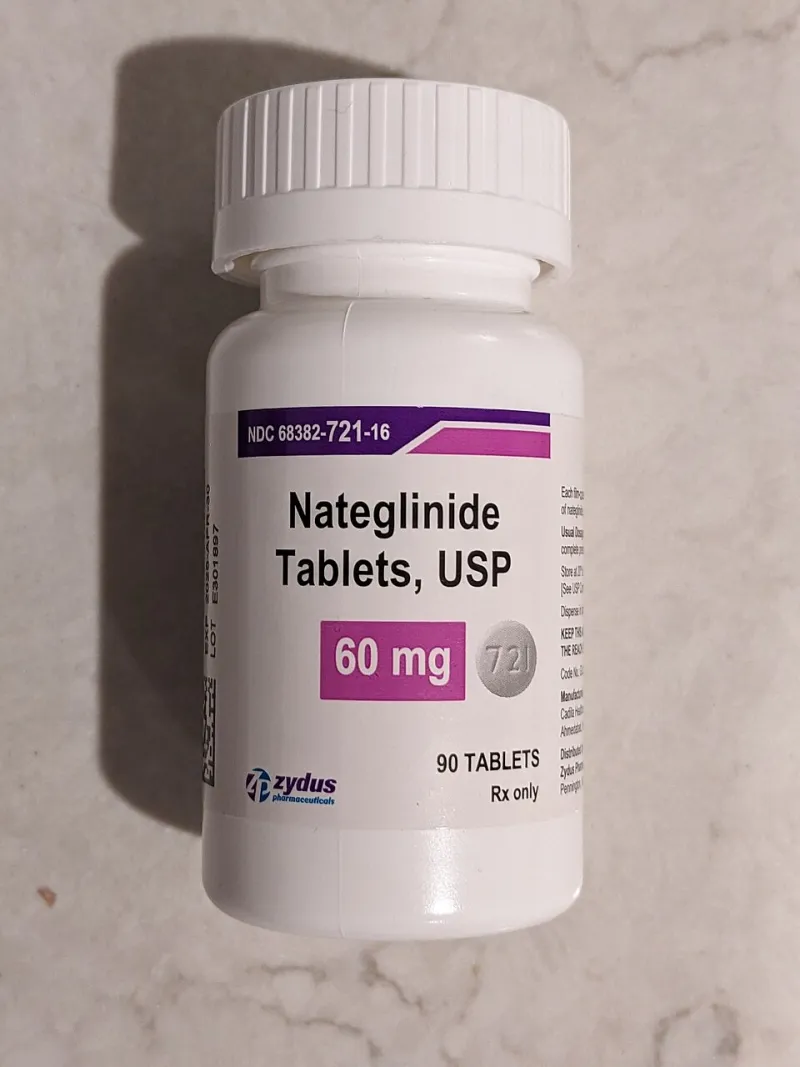
Photo: Djp1985, CC0, via Wikimedia Commons
It's a scenario that plays out in American households every single day: you placed your online order last week, the tracking page hasn't updated, and you're holding a bottle with exactly two pills left. Your stomach drops. Take a breath — this is fixable, and the fix usually starts today, not when the mail truck finally shows up.
Here's the playbook, in the order you should run it.
Step One: Figure Out What Kind of Medication You're Dealing With
Not all gaps are created equal. Before you panic-call anyone, get clear on your situation, because it changes everything:
- Most maintenance meds — statins, blood pressure pills, acid reducers, many antidepressants — can usually tolerate a short delay with a plan in place. Still worth fixing fast, but not a midnight emergency.
- Some medications absolutely should not be stopped abruptly. Beta blockers, certain seizure meds, benzodiazepines, steroids like prednisone, and most antidepressants can cause real withdrawal or rebound problems if you quit cold turkey. If yours is on this list, treat today as urgent.
- Critical daily meds — insulin, blood thinners, anti-arrhythmics, immunosuppressants — need a bridge fill, not a wait-it-out strategy.
If you're unsure which camp you're in, that uncertainty itself is your answer: make the calls below today.
The Emergency Bridge Fill: Your Local Pharmacy Is Not the Enemy
A lot of online-order shoppers assume that once you've gone the mail-order route, the pharmacy down the street is off-limits. It isn't. Most states allow pharmacists to dispense an emergency or bridge supply of many non-controlled maintenance medications, sometimes for just a few days' worth, until your regular supply arrives.
Here's how to ask, word for word:
"Hi, I take [medication name and dose]. My mail-order shipment is delayed and I'm out. Can you do an emergency bridge fill, or a partial fill, until it arrives? I can bring my bottle or have my pharmacy records transferred."
A few tips that make this go smoother:
- Bring the bottle (or a photo of it). The label has the drug name, dose, and prescriber info a pharmacist needs.
- Call before you drive. Not every pharmacy can do it for every drug, and chain policies vary. A two-minute phone call saves a wasted trip.
- Expect to pay cash. Bridge fills often aren't run through insurance, but a few days of a generic is usually cheap — often under $15.
- Controlled substances are the exception. Stimulants, opioids, and similar medications have much stricter rules. For those, your prescriber's office is the call to make, not the corner pharmacy.
Step Two: Get a Telehealth Appointment on the Books — Today
If your prescription has lapsed or the pharmacy needs fresh authorization, same-day telehealth is your friend. Many urgent-care-style virtual visits have appointments within hours, and a growing number of prescribers can send a script electronically to a local pharmacy within the hour.
What a one-day telehealth consult can realistically accomplish:
- A short refill or bridge prescription sent to your neighborhood pharmacy
- A quick safety check on whether skipping doses is risky for your specific situation
- Documentation that helps if your insurance or mail-order pharmacy needs a nudge
Have your medication bottle, your order confirmation, and a list of what you've taken in the last 48 hours in front of you. It makes the visit faster and the outcome cleaner.
Step Three: Chase the Delayed Order in Parallel
While you're securing your bridge supply, spend ten minutes figuring out where your shipment actually is:
- Check tracking — not just the carrier's page, but your order account. "Label created" for five days usually means it hasn't shipped at all.
- Contact customer service and ask directly: has it shipped, and can they expedite or reship?
- Ask your prescriber's office to weigh in if the delay is on the pharmacy's end. A call from a doctor's office moves things faster than a customer service ticket.
What NOT to Do
A few shortcuts that seem tempting and aren't:
- Don't double up doses to "stretch" your supply unless a clinician tells you to. For many drugs this is genuinely dangerous.
- Don't ration by taking pills every other day without checking with a pharmacist — some medications build up or wear off in ways that make this risky.
- Don't buy mystery pills from a site you've never vetted because you're in a panic. Desperation is exactly what fake pharmacies count on.
- Don't skip the follow-up. If you needed a bridge fill this time, the underlying delay will happen again. Consider splitting future refills so part of your supply comes from a local pharmacy you can walk into.
Build the Buffer So This Never Happens Again
Once the immediate crisis is handled, spend five minutes on prevention: set a refill reminder for when you're down to seven days of medication, not two. Order refills before you're out, keep a current prescription on file with a local pharmacy as a backup, and ask your prescriber about a 90-day supply where appropriate.
Running out of medication is stressful. Running out without a plan is avoidable — and now you've got one.