From Questionnaire to Doorstep: How Americans Are Getting Meds Without Leaving the Couch
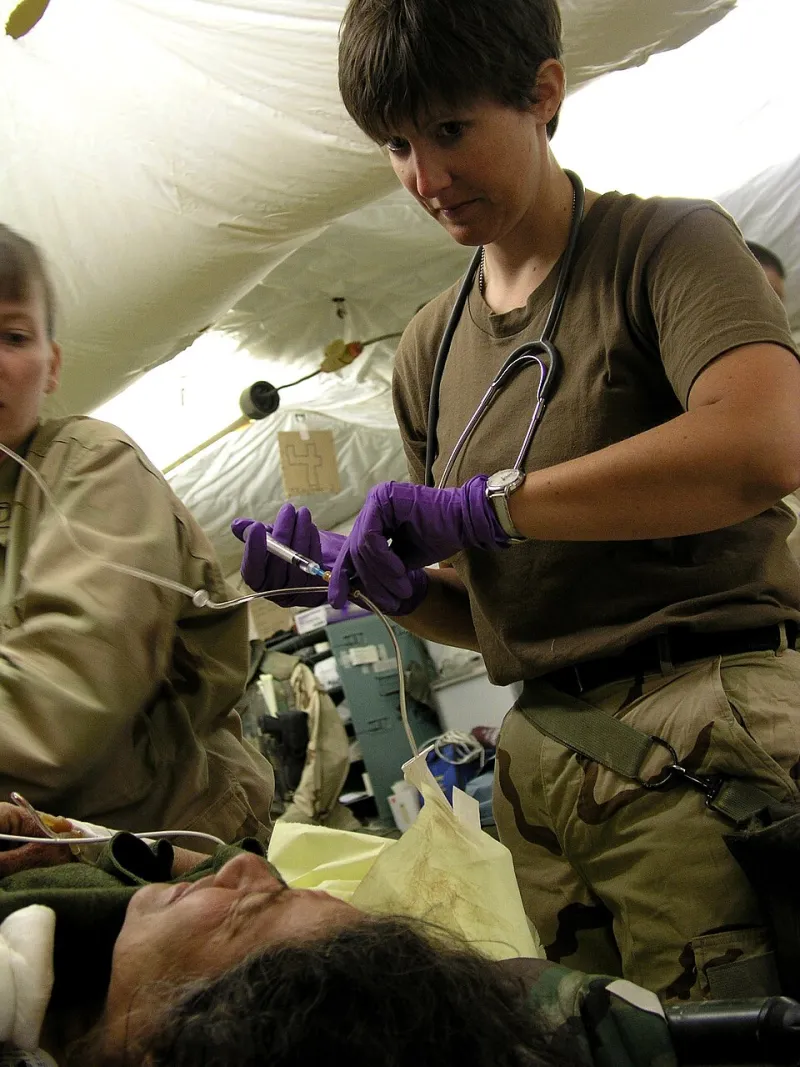
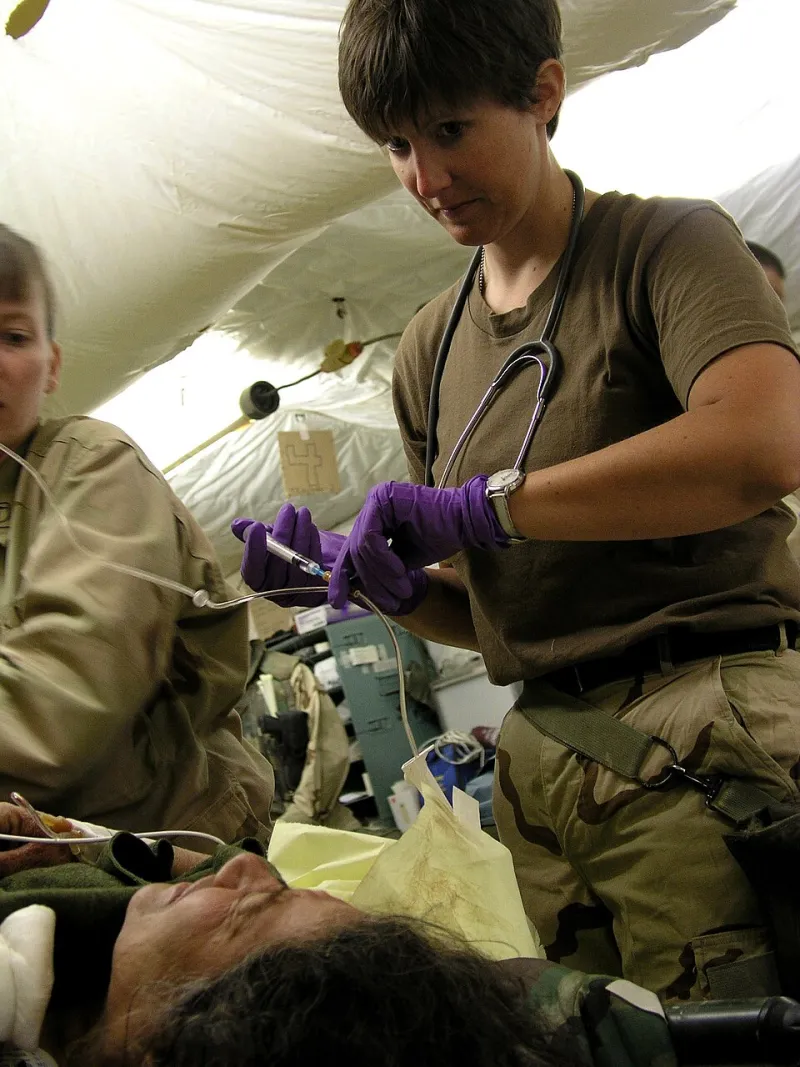
Photo: U.S. Navy photo by Chief Journalist Al Bloom., Public domain, via Wikimedia Commons
Ten years ago, getting a refill meant carving time out of your day, driving to the pharmacy, and praying the line wasn't out the door. Today, millions of Americans handle the entire process from their couch — answering a health questionnaire, having a licensed provider review it, and receiving their medication in a plain package a few days later.
If you've wondered how that's even legal, let alone safe, you're not alone. Here's an honest look at how these direct-to-door marketplaces operate and what you should check before you click "order."
The New Pathway: Telehealth Replaces the Waiting Room
The biggest misconception about online medication marketplaces is that they skip medical oversight entirely. In reality, most legitimate platforms work like this:
- You fill out an online health questionnaire. This covers your symptoms, medical history, current medications, and allergies. Good platforms ask detailed questions — if a site only asks your name and credit card number, walk away.
- A licensed provider reviews your case. Depending on the state and the medication, this may be a doctor, nurse practitioner, or physician assistant licensed to practice in your state. Some reviews are asynchronous (they read your form), while others involve a video or phone consult.
- If approved, a prescription is issued. Yes, an actual prescription — written by an actual prescriber. The difference is that the whole evaluation happens digitally instead of in an exam room.
- A licensed pharmacy ships your medication. Reputable marketplaces partner with U.S.-based pharmacies that are licensed in your state and follow standard dispensing rules.
So while the experience feels like "no prescription, no problem," the fine print usually says "no in-person appointment, no problem."
Why Consumers Are Making the Switch
The motivations are pretty straightforward:
- Cost. Online marketplaces often have lower overhead than brick-and-mortar pharmacies, and many pass those savings along. Some offer flat-rate pricing that includes the consultation, the medication, and shipping — no surprise at pickup.
- Convenience. No time off work, no childcare juggling, no sitting in a germ-filled waiting room for a five-minute conversation.
- Privacy. For sensitive conditions — hair loss, anxiety, ED, weight management — many people simply feel more comfortable starting the conversation through a screen.
- Access. Rural Americans in pharmacy deserts sometimes live 30+ miles from the nearest pharmacy. For them, doorstep delivery isn't a luxury; it's the only realistic option.
What to Verify Before You Order
Not every site deserves your trust — or your credit card. Before ordering, run through this checklist:
- Look for U.S. licensing. Legitimate platforms disclose the states where their providers and pharmacies are licensed. If you can't find that information, that's a red flag.
- Check for NABP accreditation. The National Association of Boards of Pharmacy runs a verification program (look for the ".pharmacy" designation or LegitScript certification). These confirm a site meets U.S. pharmacy standards.
- Demand a real medical review. Any site that ships prescription medications with zero health questions is operating outside the law. There's no version of that story with a happy ending.
- Confirm it requires a prescription for prescription drugs. Over-the-counter items are one thing, but prescription-only medications must involve a licensed prescriber. Full stop.
- Read the shipping and return policies. Reputable marketplaces are transparent about delivery times, cold-chain handling (for medications that need it), and what happens if your order arrives damaged.
- Be skeptical of prices that look too good. A "brand-name" medication at 80% off retail is usually counterfeit. Generics are legitimately cheap; fakes are dangerously cheap.
The Limits of the Model
Online questionnaires are great for straightforward, low-risk situations — a recurring prescription you've taken for years, or a condition with well-defined treatment guidelines. They're not a substitute for comprehensive care. If you have complex health conditions, take multiple medications, or are experiencing new or severe symptoms, you still need an in-person provider. Think of telehealth marketplaces as one tool in your healthcare toolkit, not the whole box.
The Bottom Line
The rise of direct-to-door medication marketplaces isn't a loophole — it's the healthcare system catching up to how people already live. When you choose a platform with licensed providers, accredited pharmacies, and transparent pricing, you get the same medication you'd pick up at the corner pharmacy, minus the drive and the markup. Do your homework, check the credentials, and your medicine cabinet can be as close as your mailbox.