Order Placed: A Play-by-Play of What Happens Between 'Checkout' and Your Mailbox
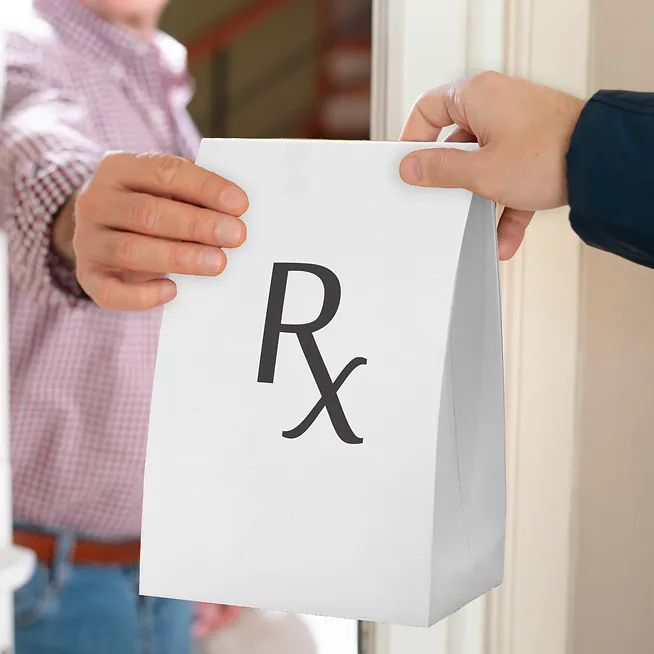
Photo: prescription medication package being delivered to front door, via static.wixstatic.com
Most of us order everything online now — groceries, socks, phone chargers. But there's something different about clicking "checkout" on a medication. It's not just a package; it's your health, wrapped in a mailer. So what actually happens in that window between your confirmation email and the knock at the door?
We walked through the entire lifecycle of an online pharmacy order. Here's the honest, step-by-step version.
Step 1: The Order Hits the Queue
The moment your payment clears, your order lands in a processing queue. Legitimate pharmacies batch these in intervals — often every few hours during business days. Your order gets a status like "processing" or "pending review," which is pharmacy-speak for "a human is about to look at this."
Timing tip: orders placed Friday evening usually don't move until Monday. Weekends and holidays are dead zones for most fulfillment centers.
Step 2: The Pharmacist Review (Yes, There Should Be One)
This is the step that separates real pharmacies from pill-mill lookalikes. At a legitimate operation, a licensed pharmacist reviews your order — checking for drug interactions, dosage red flags, duplicate therapies, and whether a prescription is required and on file.
For prescription items, that review can take anywhere from under an hour to a full business day. If a site skips this entirely and ships prescription drugs with zero questions asked, treat that as a flashing warning light, not a perk.
Step 3: Picking, Packing, and the Cold Chain Question
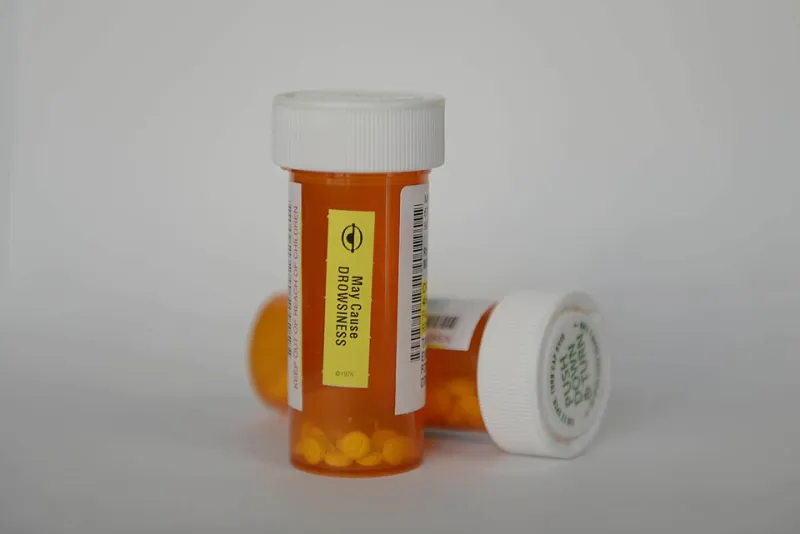
Once approved, your order moves to fulfillment. Tablets and capsules get counted, bottled, labeled with lot numbers and expiration dates, and sealed. Anything temperature-sensitive — insulin, certain biologics, some eye drops — gets insulated packaging and, ideally, gel packs.
This matters more than people realize. A $4 shipping option that leaves insulin on a hot porch in Arizona isn't a bargain; it's a ruined vial.
Step 4: The Handoff to the Carrier
Your package gets scanned into a carrier network — USPS, UPS, FedEx, or a regional courier. From here, the pharmacy's control ends. Typical domestic timelines:
- Standard shipping: 3–7 business days
- Expedited: 2–3 business days
- International sources: 1–3 weeks, sometimes longer with customs
Weather, carrier backlogs (especially around holidays), and address errors cause most delays. A package sitting in one hub for two days is usually normal; sitting in one hub for ten days is worth a support ticket.
Step 5: Delivery — and the Signature Question
Some orders require an adult signature; most don't. That means most packages end up in mailboxes, on porches, or in leasing offices. If your medication is temperature-sensitive or you live somewhere packages wander off, opt for signature delivery or a tracked locker when it's offered.
How to Spot a Legitimate Marketplace Before You Order
Run any site through this quick gut-check list:
- A verifiable US (or licensed international) pharmacy license and physical address
- A licensed pharmacist you can actually contact
- Prescription requirements honored where legally required
- Transparent pricing, shipping timelines, and return policies
- Third-party verification like LegitScript or NABP accreditation
If a site nails all five, you're in reasonable shape. If it hides its address and promises overnight delivery of controlled substances, close the tab.
When Things Go Wrong: The Recovery Playbook
Even good operations have bad days. Here's what to do:
- Wrong medication or damaged packaging? Don't take it. Photograph everything, contact support immediately, and report it. Reputable pharmacies reship or refund without much fuss.
- Late order? Check tracking first — most "lost" packages are just stuck. If tracking hasn't updated in 5+ business days (domestic), open a ticket.
- Never received at all? Escalate in writing, then dispute the charge with your card issuer if there's no resolution. Keep your confirmation emails.
- Something seems counterfeit? Report it to the FDA through its MedWatch and counterfeit-drug reporting channels. You'll be helping the next person.
The Bottom Line
Online pharmacies can be genuinely convenient and genuinely cheaper — the best of them are. But the convenience comes with a trade: you're trusting a fulfillment chain you never see. Know the steps, verify the seller, track your package, and keep a paper trail. Thirty seconds of checkout should never mean hours of cleanup.