That Bottle Expired Last Spring — Do You Actually Need to Throw It Out?

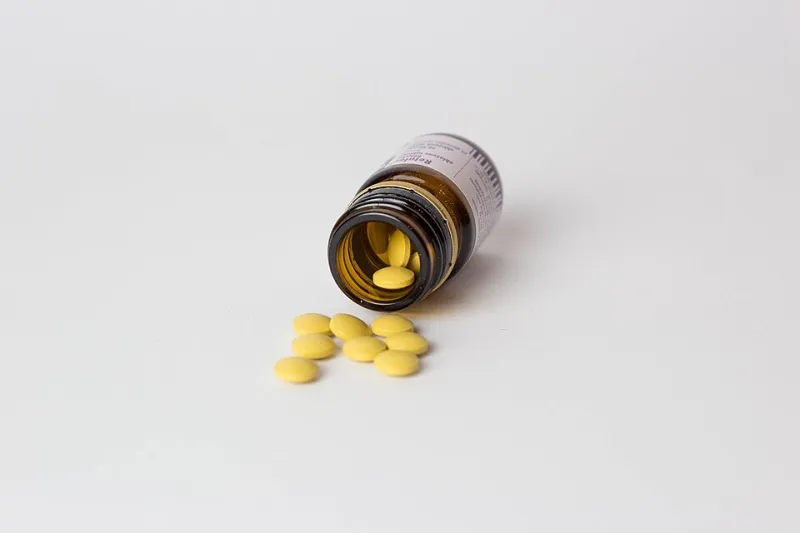
Photo: Paul Hudson from United Kingdom, CC BY 2.0, via Wikimedia Commons
There's a little ritual most Americans know by heart: open the medicine cabinet, spot a bottle with an expiration date from two years ago, wince, and toss it in the trash. Then you order a fresh one. Repeat every year or two, and you're quietly burning real money — often $20, $50, even $100+ per household annually — on replacements that may not have been necessary.
Here's the uncomfortable truth the pharmaceutical industry doesn't advertise: expiration dates are more conservative than most people think, but not universally so. Knowing the difference can keep both your wallet and your family healthier.
Where the Expiration Date Actually Comes From
That date stamped on your pill bottle isn't a hard deadline for safety. It's the manufacturer's guarantee — the point up to which they've tested the drug and will vouch for its full potency. After that, the FDA simply requires them to stop making promises.
What testing has shown, repeatedly, is that many medications hold the overwhelming majority of their strength for years past that date. The famous DEA-run Shelf Life Extension Program found that a large share of drugs remained stable for years — some even a decade or more — beyond their labeled expiration.
That said, "mostly potent" and "fully potent" aren't the same thing, and for some medications, the difference matters enormously.
The Drugs That Degrade Fast (Don't Gamble With These)
Some medications genuinely deserve a hard expiration. If you've got any of these lingering past their date, replace them:
- EpiPens and epinephrine injectors — potency drops quickly after expiration, and anaphylaxis doesn't wait for a maybe.
- Insulin — degrades well before its date, especially once opened or left at room temperature.
- Nitroglycerin — loses strength fast once the bottle's been opened.
- Liquid antibiotics and reconstituted suspensions — many are only good for a couple of weeks even before their printed date.
- Tetracycline-class antibiotics — older formulations raised concerns about degradation products; not worth the risk.
- Eye drops and contact lens solution — once opened, they're a sterile product with a countdown clock.
- Biologics and refrigerated injectables — these are fragile by design.
The rule of thumb: if a medication is keeping you alive, stopping a seizure, or reopening your airway, expiration dates are not a suggestion.
The Surprisingly Durable Stuff
For everyday, non-life-or-death medications, the research is reassuring:
- Ibuprofen, naproxen, and acetaminophen tablets — commonly tested as still highly potent a decade out.
- Antihistamines like loratadine or cetirizine — dry tablets hold up remarkably well.
- Aspirin — potent for years, though sniff for a vinegar-like smell, which signals breakdown.
- Steroid creams and hydrocortisone — slow to degrade in a sealed tube.
If you take an expired OTC pain reliever for a headache and it works, it worked. The worst realistic outcome for most solid tablets is slightly reduced strength — not danger.
Storage Matters More Than the Calendar
The bathroom medicine cabinet is honestly one of the worst places in your house to store medication. Heat, humidity, and light are what actually break drugs down — and bathrooms have all three in abundance.
Better bets:
- A cool, dry closet or bedroom drawer
- The original container with the lid sealed tight
- Away from windows, stoves, and steamy showers
- Out of reach of kids and pets, obviously
A bottle of ibuprofen stored properly will outlast a bottle stored above a steamy shower by years. Storage is the variable most people ignore.
Disposal: Skip the Toilet, Use a Take-Back
When medication genuinely does need to go, don't flush it — trace pharmaceuticals have shown up in waterways and even drinking water supplies. And don't just toss bottles in the trash where they're accessible to teens, pets, or anyone rifling through garbage.
Instead:
- Use a DEA-authorized take-back site. Many pharmacies and police stations have drop boxes, and National Prescription Drug Take Back Days happen twice a year.
- Check for mail-back envelopes — some pharmacies provide them free.
- If you must trash it, mix pills with used coffee grounds or cat litter in a sealed bag, and scratch out personal info on the label.
The Bottom Line for Your Budget
Before you automatically reorder everything in your cabinet, sort it into three piles: toss immediately (the fast-degraders above), keep and use (stable OTCs stored well), and take back for disposal (anything you no longer need). Most households find they only need to replace a fraction of what they were about to buy.
And when you do need to restock? That's where buying smart online — comparing generic prices instead of paying sticker price at the corner counter — stretches the savings even further. Your cabinet doesn't need to be full; it needs to be stocked with things that actually work, at prices that don't sting.