Same Pill, Wildly Different Price: Map Your Meds Before Your Next Refill
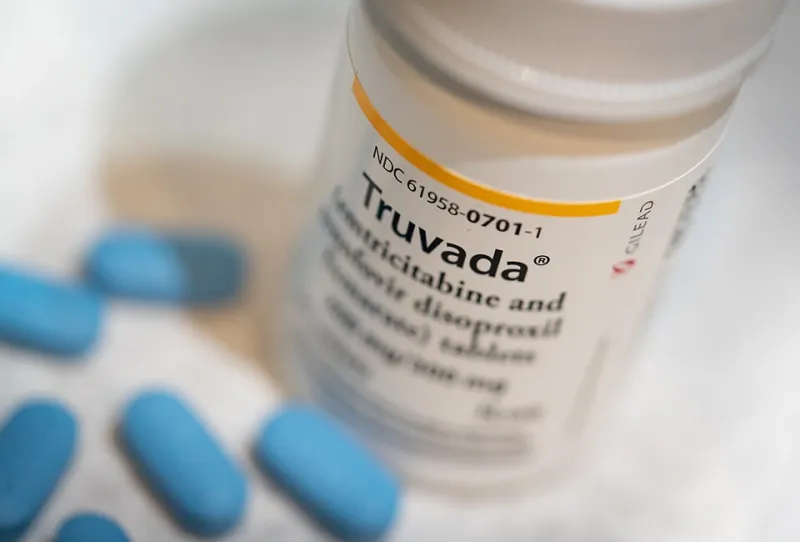
Photo: Tony Webster from Minneapolis, Minnesota, United States, CC BY-SA 2.0, via Wikimedia Commons
A friend of ours — we'll call her Denise — refills her blood pressure med every month at the same corner pharmacy she's used for a decade. It runs her about $68 with her discount card. Her coworker takes the identical pill, same strength, same manufacturer. His cost? Fourteen dollars, through a mail-order service he found by accident while comparing pet meds online.
Nothing about that story is unusual. That's the problem.
The Invisible Price Gap
Generic medications in the US don't have a fixed sticker price. The same 30-count bottle of a common generic can swing by 400% or more depending on where you fill it. Independent pharmacies, big-box store pharmacies, grocery chains, cash-pay online sellers, and prescription discount apps all negotiate different rates — and none of them are required to tell you what the others charge.
The result is a market where loyalty is expensive. The pharmacy you've always used has no incentive to mention that the mega-store two miles away sells your refill for a third of the price. Why would they? You keep showing up.
And here's the kicker: your insurance isn't always the cheapest route either. Plenty of people pay a $40 copay for a generic that costs $9 cash at a competing pharmacy. Running something through insurance can actually trigger a higher price than just paying out of pocket.
Why the Same Pill Costs So Many Different Prices
A few forces drive the chaos:
- Pharmacy reimbursement contracts differ. Every insurer and discount program negotiates its own rates with every pharmacy chain. There's no universal price.
- Cash pricing is a separate universe. Pharmacies set their own cash prices, and some deliberately keep them high to steer people toward insurance billing.
- Discount cards negotiate independently. Those free prescription discount cards you see advertised aren't insurance — they're negotiated rates that sometimes beat everything else on the counter.
- Mail-order and online sellers buy in bulk. Direct-to-door pharmacies often have dramatically lower overhead and purchasing costs, and they pass some of that along.
None of this is a secret conspiracy. It's just a fragmented system where the burden of comparison shopping falls entirely on you — the person with a headache, a refill deadline, and better things to do.
The Five-Source Snapshot: A 20-Minute Exercise
Before your next refill cycle, take your pill bottle and run your medication through five channels. Jot the numbers down — actual dollar amounts, not guesses.
- Your current pharmacy, with insurance. Ask the pharmacist directly: "What's my copay, and what's the cash price?" Sometimes the cash price is lower.
- Your current pharmacy, with a discount card. Free discount programs can be checked online in about 30 seconds without buying anything.
- A big-box store pharmacy. Several national chains publish flat-price lists for hundreds of common generics — some as low as $4 for a 30-day supply. Check whether your med is on one.
- A licensed mail-order or online pharmacy. Get a total delivered price, including shipping, so you're comparing apples to apples.
- A second local pharmacy. Even the grocery store pharmacy down the road can vary wildly from the drugstore chain on the next block.
That's it. Five numbers, one page. Most people who do this for the first time find at least one price that's dramatically lower than what they've been paying — often 40% to 70% lower.
Making the Switch Inside One Refill Cycle
Here's the part that surprises people: you usually don't need anyone's permission to change pharmacies. A prescription isn't welded to the store where it was first filled.
- Ask your current pharmacy to transfer it. By law in most states, they can handle the transfer between pharmacies with a phone call. You don't even need a new paper prescription for most refills.
- Or go back to your prescriber. If you're due for a renewal anyway, ask them to send it wherever the price is best — including an online pharmacy.
- Time it right. Run your snapshot a week or so before you run out, so there's zero gap in your medication while the transfer processes.
- Check the fine print on mail-order. Look at shipping timelines, whether they accept your discount program, and what happens if you need a refill fast.
What This Looks Like in Real Dollars
Run the math on a typical scenario. Say your generic costs $55 a month at your usual counter. The big-box list price is $15. A licensed online seller delivers it for $22 including shipping. That's a spread of $33 to $40 every month — $400 or more a year on a single medication. Multiply that across two or three prescriptions, and the five-source snapshot stops looking like a chore and starts looking like a raise.
A Few Ground Rules While You Shop Around
Comparison shopping is smart; cutting corners on safety is not. Wherever you end up buying:
- Make sure any online pharmacy requires a valid prescription for prescription meds and is licensed in the US.
- Be skeptical of prices that seem impossibly low for brand-name drugs — deep discounts on brand names are a classic counterfeit red flag. Generics are where legitimate savings live.
- Keep one pharmacy as your primary when possible, so a pharmacist has a full picture of what you take and can flag interactions.
- Never split doses, skip refills, or stretch a supply to save money before you've actually run the price comparison. The savings are usually sitting there waiting — no risky math required.
Denise ran her five-source snapshot last month. Her refill now costs her $19, delivered. She's still a little annoyed about the years of $68 — but mostly, she's telling everyone at work to check their own numbers. Your turn.