Same Pill, Smaller Price: 9 Generic Swaps That Could Save You Hundreds a Year
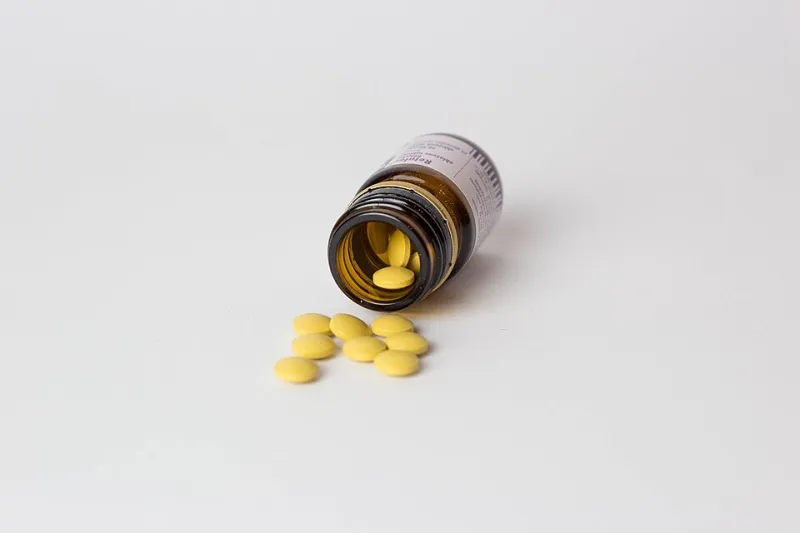
Photo: Jernej Furman from Slovenia, CC BY 2.0, via Wikimedia Commons
Here's a fun experiment: ask a pharmacist whether there's a difference between a brand-name drug and its generic. The answer you'll almost always get: "same active ingredient, same dose, same effect." Then look at the price tag and wonder why nobody told you sooner.
Generic medications are one of the easiest wins in personal finance — no lifestyle changes, no coupons to clip, just a smarter version of something you're already buying. Let's look at nine of the biggest offenders, then cover how to make sure the generics you buy online are the real deal.
9 Brand-Name Drugs and Their Budget-Friendly Twins
Savings figures are approximate retail cash prices and vary by pharmacy — but the pattern is consistent.
1. Lipitor → atorvastatin. The cholesterol blockbuster once topped $4 billion a year in U.S. sales. Generic atorvastatin often runs 80–90% cheaper.
2. Prozac → fluoxetine. The famous antidepressant's generic equivalent is on most $4 generic lists at major chains.
3. Zoloft → sertraline. Same story: identical active ingredient, a small fraction of the cost.
4. Nexium → esomeprazole. The "purple pill" for acid reflux commanded premium prices for years. The generic does the same job for dramatically less.
5. Viagra → sildenafil. Perhaps the most dramatic price gap in pharma. Sildenafil delivers the same results at a steep discount.
6. Cialis → tadalafil. Bonus: the generic is available in daily low-dose form too.
7. Ambien → zolpidem. The sleep aid's generic twin is widely available and cheap.
8. Advair → fluticasone/salmeterol. Asthma maintenance therapy at a fraction of the branded price.
9. Augmentin → amoxicillin/clavulanate. The antibiotic workhorse, genericized and inexpensive.
Why Generics Cost Less (and Work the Same)
A brand-name drug enjoys patent protection for roughly 20 years, during which the manufacturer recovers R&D costs — and then some. Once the patent expires, other manufacturers can produce the same molecule without shouldering the original development bill. No blockbuster marketing budget, no need to "pay back" a decade of research. Competition does the rest.
Crucially, cheaper doesn't mean lesser. The FDA requires generics to demonstrate bioequivalence: they must deliver the same active ingredient at the same dose, at the same rate, as the brand. The fillers and coatings may differ — that's why a generic pill might look different — but the medicine itself is required to perform the same way.
The FDA Stamp: Your Quality Guarantee
When you're shopping online, this is where you earn your savings safely. Here's your practical checklist:
- Buy only FDA-approved medications. Legit pharmacies state plainly that their products are FDA-approved. If a site sells "generic" versions of drugs with no approved U.S. generic (or skips the topic entirely), close the tab.
- Look for U.S.-based, state-licensed pharmacies. Cross-check the pharmacy against the NABP's verification programs or LegitScript's database.
- Inspect the packaging on arrival. Real generics come in proper packaging with the drug name, dosage, manufacturer, lot number, and expiration date. Blister packs or bottles with misspelled labels are an instant red flag.
- Check the imprint code. Every FDA-approved pill has a unique imprint. You can look yours up in a few seconds to confirm you got the real thing.
- Beware "too cheap" pricing. Generics are cheap; counterfeiters undercutting legitimate prices by 90% are not your friends.
Do the Math
Say you're paying $150 a month for a brand-name medication with a $10 generic equivalent. That's $1,680 a year back in your pocket — for swapping one word at the pharmacy. Multiply that across a household taking two or three maintenance medications, and generic swapping becomes one of the highest-ROI financial moves available to American families.
Ask your provider or pharmacist the magic question — "is there a generic for this?" — then shop smart, verify the FDA approval, and let the savings compound.