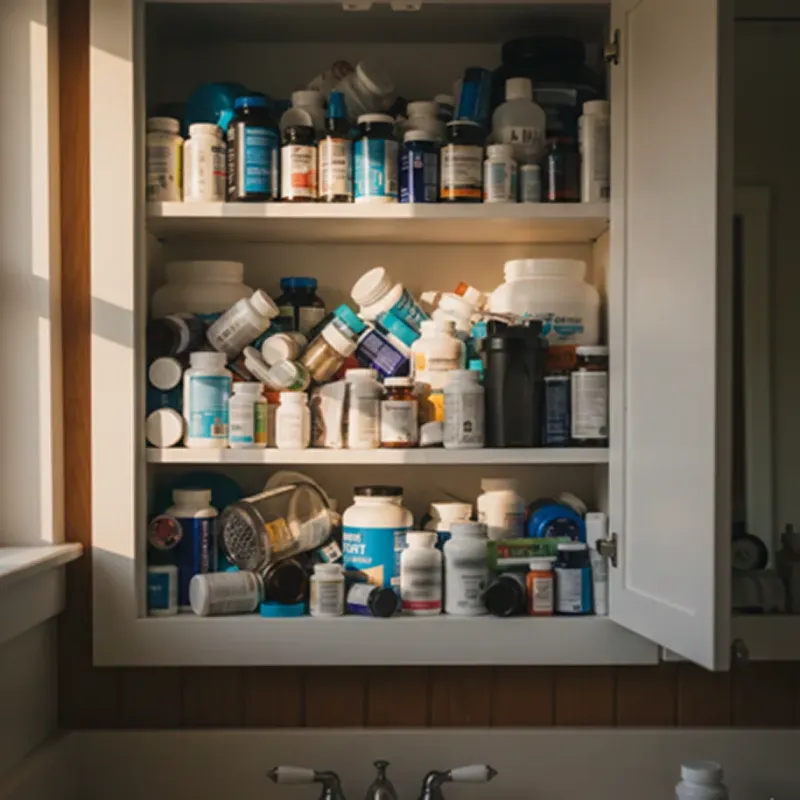
The Pharmacy That Wasn't: How One Shopper Got Duped, and the 7 Checks You Can Run in Under 10 Minutes
Photo: U.S. Air Force photo by 2nd Lt. Grace Brandt, Public domain, via Wikimedia Commons
Maria from Columbus thought she'd done everything right. The site looked professional, the prices were about 60% lower than her local chain pharmacy, and checkout was simple. Two weeks later, a padded envelope arrived from overseas with pills that looked almost — but not quite — like the medication she'd been taking for years.
Her story isn't rare. The FDA and the National Association of Boards of Pharmacy (NABP) estimate that thousands of rogue online pharmacies operate at any given time, and many of them target exactly the shoppers who need relief most: uninsured Americans hunting for affordable meds.
The good news? Spotting a fake usually takes less time than brewing your morning coffee. Here's what Maria missed, and the seven checks you can run before you ever hand over a card number.
Red Flag #1: There's No Verifiable License
Every legitimate US online pharmacy is licensed in the states where it operates and dispenses. Rogue sites bury this info, list a PO box, or display a seal that goes nowhere when you click it.
The fix: Look for the NABP's ".pharmacy" verified domains program or LegitScript certification. Both maintain searchable databases — type in the website's address and see whether it's been vetted or flagged. If the site claims certification but doesn't appear in the database, that's your answer.
Red Flag #2: No Prescription Required — At All
This one trips people up because it sounds like a perk. But in the US, prescription medications require a prescription, full stop. Sites that happily sell controlled substances or blood pressure meds with nothing more than a checkbox are operating outside the law — and what they ship is anyone's guess.
Legitimate alternatives exist, like telehealth platforms that connect you with a licensed provider who can actually prescribe. That's different from a site that skips the provider entirely.
Red Flag #3: The Domain Is Doing Something Weird
Look-alike sites love sneaky domain tricks: a hyphen where there shouldn't be one, an extra letter, or a "canadian-pharmacy" prefix on a site physically hosted nowhere near Canada. Some even clone the logos and layouts of well-known pharmacy chains.
The fix: Read the URL character by character before checkout. Better yet, navigate to the pharmacy by typing its address yourself rather than clicking an emailed link.
Red Flag #4: The Prices Are Absurdly Low
Everyone wants to save money — that's half the reason people shop online in the first place. But if a site offers brand-name medication at 80% off retail with no generic equivalent involved, be skeptical. Deep discounts on brand-name drugs are one of the most common lures counterfeiters use.
Real savings come from generics, discount programs, and licensed international sellers — not miracle pricing.
Red Flag #5: There's No Way to Talk to a Pharmacist
US-licensed pharmacies must offer access to a pharmacist for questions. If the site's only contact method is a web form and a Gmail address, that's a problem. Look for a US phone number, a physical address, and a licensed pharmacist you can actually reach.
Red Flag #6: It's Missing From the FDA's Watch Lists
The FDA maintains a list of flagged websites and sends warning letters to illegal online sellers — many of which are public record. A quick search of "[site name] FDA warning letter" can surface problems fast. The FDA's BeSafeRx campaign also offers a straightforward guide to verifying online pharmacies, complete with state-by-state licensing lookup tools.
Red Flag #7: The Payment Options Are Off
Wire transfers, gift cards, crypto-only checkout, or payments routed to an overseas personal account are classic signs of a scam. Legitimate pharmacies accept standard credit cards — which, conveniently, also give you fraud protection if something goes sideways.
Maria's Lesson, In Short
The pills Maria received turned out to contain the wrong active ingredient entirely. She reported the site to the FDA and her state board of pharmacy, but her money was gone.
Her checklist now, which she says takes her about eight minutes:
- Search the site on LegitScript and the NABP databases
- Confirm US licensure and a reachable pharmacist
- Check the domain spelling against the official pharmacy
- Google the site's name plus "scam," "review," and "FDA"
- Make sure a prescription is actually required
- Verify standard payment methods
- Compare prices against licensed discount options
Saving money on medications shouldn't mean gambling with what's actually in the bottle. Run the checks, trust the databases over the design, and if a deal feels too good to be true — it usually shipped from somewhere you've never been.