Prescription Drift Is Real: Run This 15-Minute Audit Before It Eats Another Paycheck
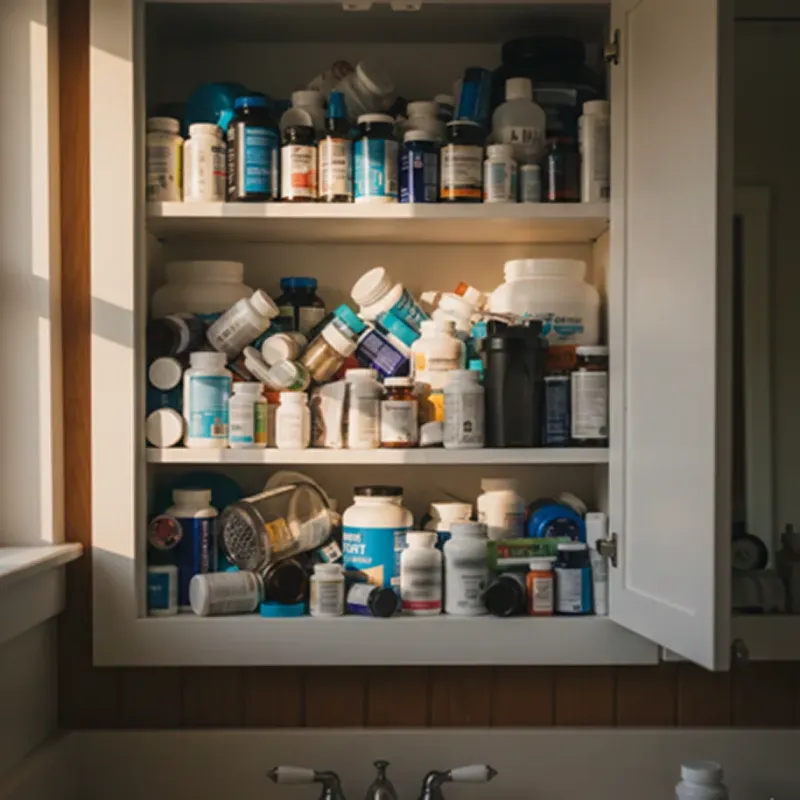
There's a quiet leak in most American medicine cabinets. Not the kind that floods the floor — the kind that drains your bank account one $18 copay at a time. It's called prescription drift: the slow accumulation of medications you're still paying for but no longer actually taking.
Think about it. When's the last time you went bottle by bottle and asked, "Do I still need this?" If the answer is "never," you're in good company — and probably overpaying.
What Prescription Drift Actually Looks Like
Drift shows up in a few familiar flavors:
- The ghost refill. Your doctor switched you to a new med six months ago, but the old prescription is still on auto-renew at the pharmacy. You're charged every month for something sitting unopened in the cabinet.
- The duplicate generic. Same active ingredient, two brand names, two bottles. (Loratadine and Claritin, anyone?) You're double-buying the same chemistry.
- The expired leftover. The 30-day course of antibiotics from 2023 that you finished in 11 days. The leftover pills are harmless clutter; the refill queue behind them is not.
- The subscription zombie. A telehealth med you signed up for during a late-night scrolling session. Still billing. Rarely opened.
Individually, these feel like small change. Stack three or four together and you can easily leak $400–$900 a year — real money when you're already hunting for savings on the meds you do need.
The 15-Minute Audit, Step by Step
Set a timer. Seriously. This works best when you treat it like a quick chore, not a spring-cleaning project.
Minutes 1–5: Empty the Cabinet Onto the Counter
Pull everything out — prescriptions, over-the-counter stuff, supplements, the works. Group them by active ingredient, not brand name. This is where duplicates jump out immediately. Check expiration dates and set aside anything past its window for proper disposal (many pharmacies and police stations have take-back bins).
Minutes 6–10: Log Into Your Pharmacy Account
Open the app or website for your pharmacy and check two things:
- Auto-refill list. Anything you haven't opened in the last 60 days? Pause it.
- Refill history. If you've been refilling the same med every 25 days but the bottle looks full, that's drift in action.
If you use an online pharmacy or med-delivery service, check your subscription settings there too. Auto-ship is convenient right up until it's shipping something you forgot you ordered.
Minutes 11–15: Make Three Calls (or Emails)
- Your pharmacy: Cancel or pause anything you flagged. Ask them to remove it from auto-refill, not just skip a cycle.
- Your doctor's office: Confirm which meds on your list are still current. Bring the pile of bottles to your next appointment — pharmacists call this a "brown bag review," and it takes them about two minutes.
- Your insurance (if applicable): Ask which of your current meds are on the preferred generic list. Sometimes the fix is a formulary swap, not a new prescription.
Your Printable Audit Checklist
Copy this into your notes app or print it and stick it to the mirror:
- Dump the cabinet; group by active ingredient
- Toss expired meds at a take-back location
- Merge duplicate generics down to one
- Review pharmacy auto-refill list
- Pause refills on meds unopened 60+ days
- Check telehealth/med-subscription billing
- Confirm current med list with your doctor
- Ask about generic or formulary swaps
- Set a calendar reminder to re-audit in 6 months
What to Do With the Savings
Once you've cut the drift, redirect the money toward the meds that matter. A few moves that compound fast: compare prices across pharmacies before every refill (they can vary 3x for the identical generic), ask for 90-day supplies to cut per-fill fees, and check whether a discount card beats your insurance copay — it often does.
The bottom line: your medicine cabinet should reflect what you actually take, not a museum of good intentions. Fifteen minutes twice a year keeps it that way — and keeps a surprising chunk of your paycheck where it belongs.